

Research Without Borders: How Baylor Students Are Advancing Discovery Through Global Learning
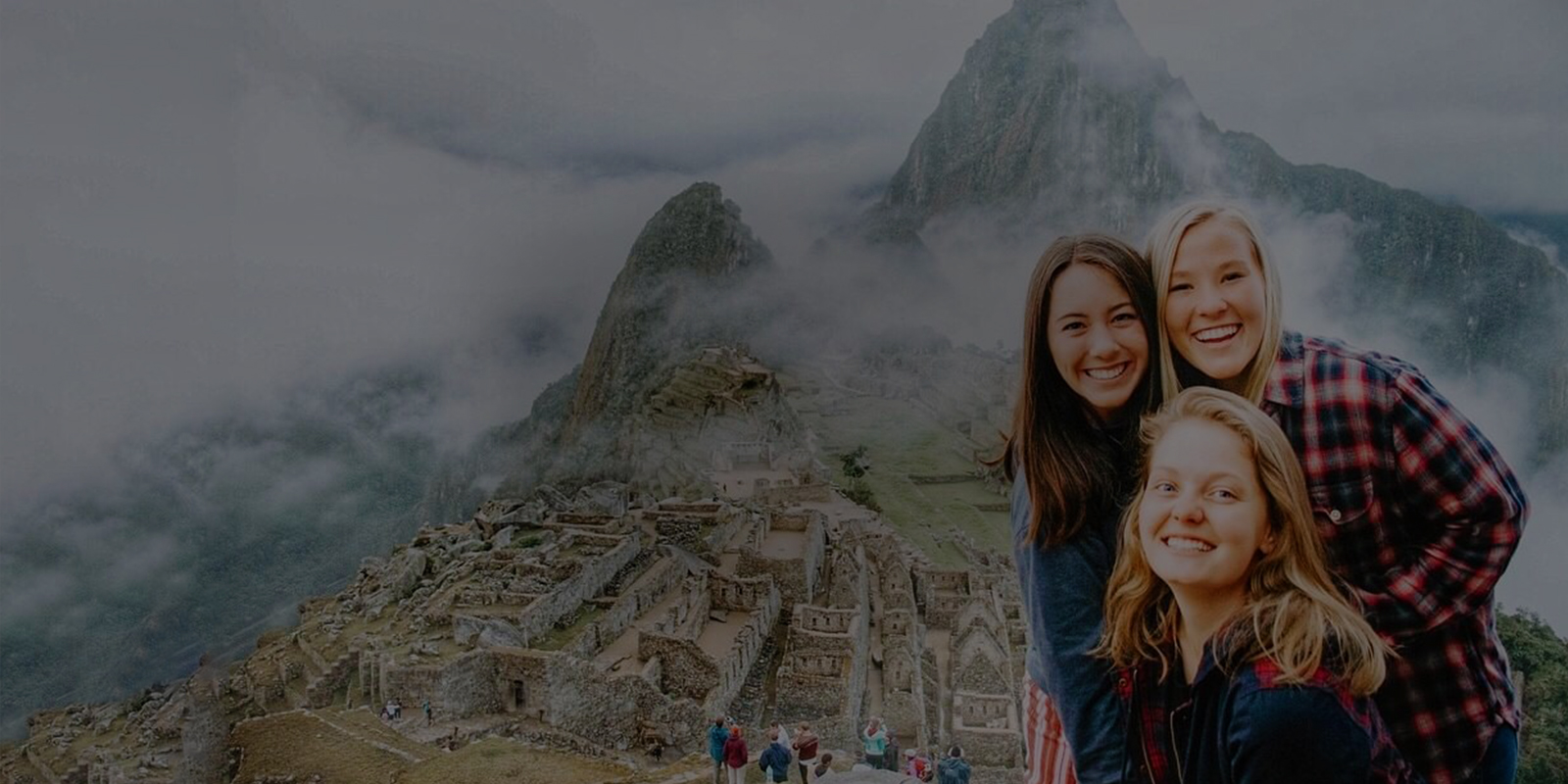
Beyond the Classroom: Baylor Students Contribute to Research Around the World
For more than 2,600 years, an Etruscan tomb outside Rome remained untouched.
In the summer of 2025, Baylor students helped change that.
Working alongside an interdisciplinary team of archaeologists, historians and geologists through Baylor's Archaeology and Research in Italy program, students helped uncover and document an ancient Etruscan tomb that had remained undisturbed for centuries. While remarkable, the discovery illustrates something larger about Baylor's approach to faculty-led study abroad: students are not simply visiting historic places. They are contributing to meaningful research that advances knowledge.
Across the globe, Baylor students are engaging in similarly transformative work. In the Galápagos Islands, participants in Baylor's One Health Study Abroad Program have collected more than 11,000 surveys examining the relationship between ecotourism and public health. Their research is now informing a new One Health exhibit at the Mayborn Museum, extending the impact of their work well beyond the classroom and the islands themselves.
These examples represent Baylor's broader commitment to integrating research into faculty-led global learning. Each year, more than 900 students participate in over 35 faculty-led study abroad programs, many of which incorporate research directly into the student experience. Over the past six academic years, more than 2,500 students have participated in faculty-led international programs, making them the University's largest study abroad model.
Whether excavating archaeological sites in Italy, conducting public health research in Ecuador or participating in research laboratories in Japan, Baylor students are applying classroom knowledge to real-world questions alongside faculty mentors and international collaborators.
This growth is part of a larger institutional trajectory. University-wide, Study Abroad participation reached 1,058 students in AY 2025–26, up 11.0% over the previous year and 47% since AY 2021–22, when the program served 720 students. That five-year climb—from 720 students in AY 2021–22 to 929 in AY 2022–23, 1,011 in AY 2023–24, 953 in AY 2024–25 and 1,058 in AY 2025–26—marks the strongest sustained growth period in the program's recent history, with faculty-led programs such as Archaeology and Research in Italy and the One Health Study Abroad Program contributing to that expansion.
Research as Learning
Faculty-led programs reflect Baylor's conviction that some of the most meaningful learning happens through discovery. Rather than viewing research as something reserved for graduate students or faculty alone, Baylor integrates teaching and scholarship, allowing undergraduate students to contribute to meaningful research while developing the critical thinking, intercultural communication and professional skills that prepare them for graduate study and future careers.
Research opportunities span disciplines and destinations. Students may participate in archaeological excavations, environmental and public health research, laboratory collaborations or interdisciplinary faculty-led projects that align with their academic interests and professional goals. Regardless of discipline, these experiences allow students to investigate questions with global significance while seeing firsthand how research can address real-world challenges.
The value of these experiences is not limited to the research itself. Students learn how questions are developed, how evidence is gathered and interpreted, how researchers collaborate across disciplines and cultures, and how scholarship can contribute to communities beyond the university.
Research with Global Reach
Baylor's commitment to research extends beyond its own campus. Through partnerships with internationally recognized universities, students have opportunities to study and conduct research in academic environments around the world. These partnerships connect students with scholars, laboratories and field sites while expanding Baylor's own international research network.
Recent examples include students participating in year-long research laboratories in Japan and Honors College students preparing to study at the University of St Andrews, where they will engage in coursework and research alongside one of the world's oldest and most respected research universities.
These experiences give undergraduate students opportunities often associated with graduate education. They also demonstrate what becomes possible when faculty expertise, institutional partnerships and student curiosity come together across borders.
Preparing Students for Purposeful Leadership
Faculty-led study abroad is about more than where students travel. It is about how they learn.
Whether uncovering the past through archaeology, addressing public health challenges in the Galápagos or collaborating with international researchers, students return with more than academic credit. They develop adaptability, cultural intelligence, research skills and a collaborative mindset that prepares them to solve complex problems in an increasingly interconnected world.
In a culture often focused on career readiness, Baylor believes character readiness matters as well. Faculty-led international experiences cultivate both—equipping students with the knowledge, perspective and purpose to contribute meaningfully wherever their vocation leads.
Through faculty-led research abroad, Baylor is doing more than sending students around the world. It is preparing the next generation of researchers, professionals and servant leaders to ask meaningful questions, pursue discovery with curiosity and integrity, and contribute to human flourishing through scholarship that reaches beyond borders.